Shelf III · Mountain Stays
Teresopolis: a mountain stay above Rio
A practical note on staying in Teresopolis, in the Serra dos Orgaos: quarters, rates, the walk from the bus, trails, feiras and how to plan days between town
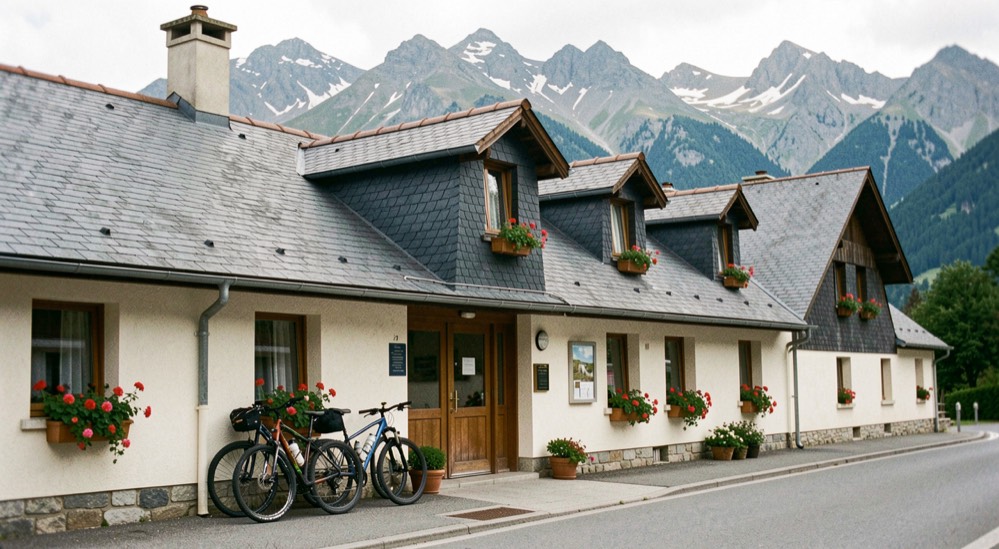
Teresopolis works as a mountain stay because the town sits at roughly 900 metres in the Serra dos Orgaos, about 90 km from Rio de Janeiro, and it puts beds, food and transport within reach of trailheads that would otherwise need a long day trip from the coast. A visitor can sleep in the centre, walk to a feira in the morning, reach a mirante or the start of a Dedo de Deus approach in the afternoon, and be back for a cinema session or a small venue in the evening. The practical question is not whether to base there, but how to split the days between the town and the mountains.
What does a mountain stay in Teresopolis actually buy?
A stay here buys altitude and a shorter transfer to the trails. The town is the main urban centre of the Serra dos Orgaos and the gateway to the Parque Nacional da Serra dos Orgaos, whose Teresopolis entrance sits just above the town. Rates in small pousadas and guesthouses are usually well under EUR 120 a night outside carnival and the busiest winter weekends, and that money tends to buy a room with a view of the ridges rather than a coastal address. The trade is weather: the serra is wet, cloud sits on the peaks for days, and a clear morning is worth rearranging plans for. For a sense of what is on in the town itself, from small halls to street markets, the local magazine Guiatere covers Teresopolis culture and the mountain calendar in Portuguese, which is useful when a stay overlaps a festival or a feira day.
Which quarter should you book, and what should a rate buy?
The centre, around the Praca Olimpica and the main bus terminal, is the practical choice for a first stay. It puts the feira, the restaurants, the cinema and the local bus lines within walking distance, and it keeps the taxi or app ride to the park entrance short. The Alto neighbourhood, on the road up towards the park, trades some of that convenience for cooler air and quicker access to the trailhead; it suits visitors who plan to walk every day and do not mind a car or a bus for dinner. A third option is the quieter streets towards the Vale dos Frades side, where guesthouses sit in garden plots and the evenings are silent.
What a rate should buy by season:
| Season | Typical small-hotel rate | What it should include |
|---|---|---|
| Weekdays, March to June | EUR 45 to 75 | Double room, breakfast, wifi, hot shower |
| Weekends, same period | EUR 70 to 100 | As above, plus parking or a shuttle to the park |
| July, school holidays | EUR 90 to 120 | As above, book two to three weeks ahead |
| Carnival and Só Rindo period | EUR 100 to 120 and up | As above, minimum stay often applies |
| December to February | EUR 60 to 95 | As above, expect afternoon storms |
Above EUR 120 a night in Teresopolis, the extra usually pays for a pool, a spa or a larger garden, not for a better location. If a listing asks that price for a plain room in the centre, the six checks before paying apply as anywhere else: total price with taxes, cancellation terms, the exact address, the check-in window, breakfast hours and whether the room faces the road.
What is there to do in town when the cloud comes down?
A wet day is not a lost day. Teresopolis has a working cultural scene: small venues, neighbourhood theatres, cultural centres, community halls, a Sunday cinema session, the Só Rindo festival and the Carnatere carnival. The town also has feiras, exhibitions in old houses and galleries with limited urban hours, and the mountain light itself is a reason to walk the mirantes even when the peaks are hidden. The rhythm is slow and local, aimed at residents and Carioca visitors rather than at a tourist circuit, so opening hours matter more than reviews. Check the day's agenda in the morning, pick two things, and leave the rest.
How do you get there and move around?
The bus from Rio de Janeiro takes roughly two hours from the rodoviaria, with more frequent services in the morning. By car, the BR-116 and the RJ-130 climb into the serra; the last stretch is winding and slow in rain and fog. Once in town, local buses cover the centre and the park road, but they thin out in the evening, so a car or app taxis make the trail-and-town split easier. Fuel, cash and a rain jacket are worth sorting before the climb.
The six checks before you pay
- Total price for the dates, with taxes and any minimum stay.
- Cancellation and prepayment terms in writing.
- The exact address, checked against a map, not the neighbourhood name.
- Check-in and check-out windows, including late arrival.
- Breakfast hours, and whether they fit an early trail start.
- Room orientation: road, garden or ridge, and whether heating is provided.
Run those six, book the centre or the Alto according to how many trail days you plan, and treat the weather as the timetable. Teresopolis rewards a stay that leaves room to move a walk to the next clear morning.