Shelf I · Where to Stay
Beer and the room in a brewing town
What a working brewery adds to a short stay in a European brewing town, from the mash tun to the glass, and how the brewing calendar shapes a weekend.
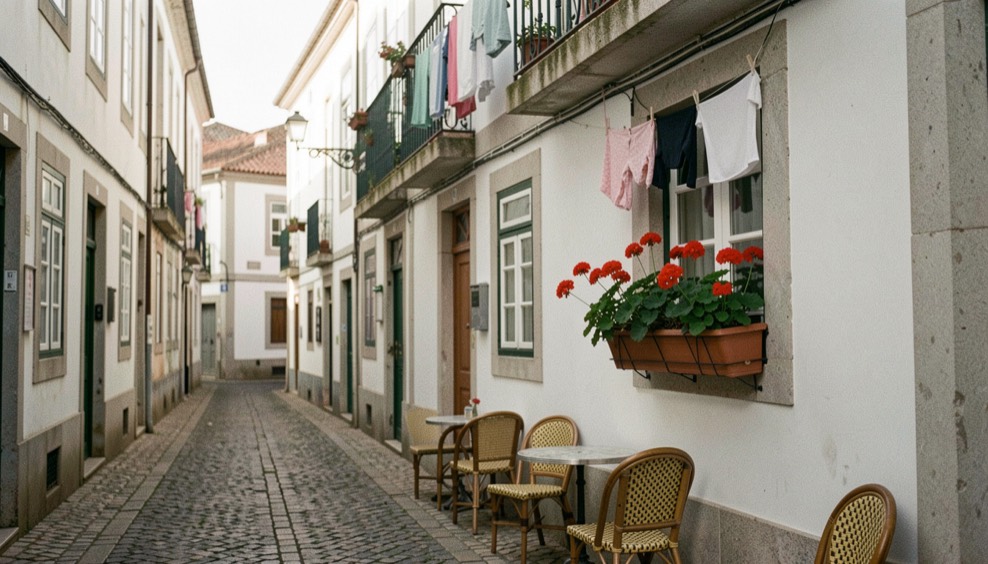
A working brewery changes what a short stay in a small town is worth. It gives the evening a fixed point, it puts a smell of malt over a few streets, and it turns a calendar of brews into a calendar of weekends. The room is still the main cost, but the brewery decides which nights are worth booking.
What does a working brewery add to a short stay?
A brewery that still brews on site adds three things a taproom alone cannot. The first is a timetable: mashing starts early, the kettle runs through the middle of the day, and the cellar work happens after. A visitor who walks past at the right hour sees steam, a hose on the floor and a brewer checking a gravity reading, which is more than a bar can offer. The second is a smell. Warm grain and hops carry a short distance, usually one or two streets, and they mark the edge of the old industrial quarter where small hotels tend to sit. The third is a reason to stay a second night: a brew day, a release, a tour that only runs on a Friday.
For anyone who wants to understand what is actually in the glass before booking a weekend around it, the brewing process explained covers the grain bill, the strike temperature and the fermentation steps in plain language. That matters at the booking stage, because a town with two breweries and a maltings is a different proposition from a town with one brewpub and a gift shop.
Which quarter should you book in a brewing town?
The honest answer is: within a ten minute walk of the brewhouse, on the side where the delivery vans go. Breweries sit in three kinds of place, and each one gives a different room.
- The old industrial ring. Brick, high ceilings, converted warehouses. Hotels here are often the cheapest per square metre, but the walk to the station can be long and badly lit after 22:00.
- The market square. The brewery may be a historic one with a visitor centre. Rooms cost more, the noise is human rather than mechanical, and everything is walkable.
- The edge of town. Modern units on an estate. Good for a tour, poor for an evening. A taxi is usually needed, and that cost belongs in the nightly figure.
A useful rule: if the brewery is on the same side of the river or the railway as the hotel, the walk is short. If it is not, add fifteen minutes and one bridge to every estimate.
How does a town's brewing calendar shape a weekend?
Brewing calendars are not tourist calendars, and that is the point. A small brewery releases beer when the beer is ready, which may be six weeks after a brew, and it holds an event when a tank is free. Three patterns repeat across Europe.
| Period | What happens at the brewery | Effect on a short stay |
|---|---|---|
| Late winter | Darker beers, barrel work, quiet taprooms | Cheapest rooms, easiest tables |
| Spring | First pale releases, outdoor seating opens | Rates rise at weekends, book early |
| Summer | Festivals, tours, longer opening hours | Highest rates, noise until late |
| Autumn | Harvest, fresh hop beers, cellar cleaning | Strong midweek value, good tours |
A weekend built around a release is worth more than a weekend built around a city. The trade is that dates are fixed by the brewery, not by the hotel, so the room has to be booked around the beer rather than the other way round.
What should a rate buy near a brewery?
A rate near a working brewery should buy four things, and it is fair to check them before paying.
- A room on the quiet side of the building, away from the yard where kegs are moved.
- A walk to the taproom of under fifteen minutes, measured on a map, not on a website.
- Breakfast that starts before the brewery tour, since tours often begin at 10:00 or 11:00.
- A late checkout or a luggage corner, because a brew day ends in the afternoon and a train may not.
If two of the four are missing, the rate is probably paying for the postcode rather than the stay. In brewing towns the postcode premium is real: a room 400 metres closer to the square can cost a third more for the same bed.
How do you read a brewery town before you book?
Four checks take about twenty minutes and save a wasted weekend.
- Check the brewing days. A brewery that brews twice a week gives two chances to see the mash. One that brews once a month gives one.
- Check the taproom hours against the station timetable. The last train often leaves before the last pour.
- Check whether the beer is brewed on site. A bar with guest taps is not a brewery, and the smell will tell you.
- Check the season. Fresh hop beers and harvest events pull crowds in a way that a standard bitter does not.
None of this requires a stay to be claimed or a house to be scored. It only requires reading the brewery's own calendar and the hotel's own map, and then deciding whether the two fit.